
Understanding the Donor Area in Hair Restoration
The donor area plays a critical role in the success of hair restoration surgery. It provides the healthy hair follicles required for transplantation and directly influences both the immediate outcome and the long-term sustainability of results.
Proper donor area evaluation and responsible graft harvesting are essential to achieving natural-looking hair restoration while preserving future treatment options. Careful planning helps ensure that the donor supply is managed conservatively and that the integrity of the scalp is maintained over time.
The Donor Area
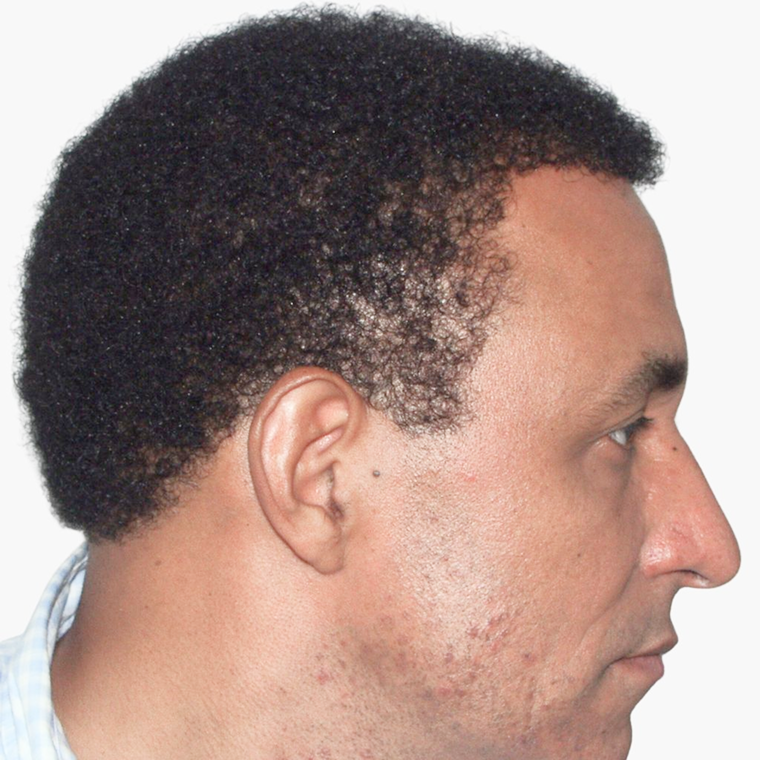
The donor area typically includes the back and sides of the scalp, where hair follicles are genetically more resistant to hair loss. These follicles are carefully selected based on density, quality, and long-term stability to support reliable growth after transplantation.
In certain situations, alternative donor sources may be considered. However, the scalp donor area remains the primary and preferred source due to its reliability and compatibility with natural scalp hair characteristics.
Careful selection and conservative harvesting are fundamental principles of responsible hair restoration surgery and help preserve donor integrity for both current and potential future procedures.
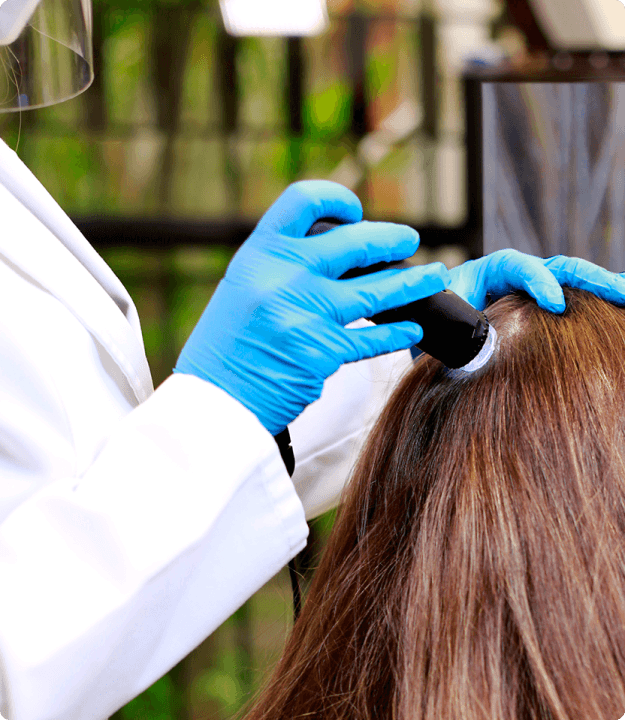
Donor Area Evaluation and Dermoscopic Analysis
A comprehensive donor area evaluation is performed to assess follicle density, hair caliber, scalp condition, and long-term donor sustainability. This assessment helps guide responsible graft extraction while preserving the natural appearance and overall health of the donor region.
Advanced dermoscopic analysis allows the surgical team to closely examine follicle health, detect miniaturization patterns, and identify underlying scalp conditions that may influence surgical planning. These findings support precise graft mapping and help ensure that extraction is balanced, strategic, and consistent with long-term hair restoration goals.
All donor area planning and surgical decisions are medically supervised and approved by Dr. Alba Reyes Sagiv to maintain consistency, safety, and adherence to established clinical protocols.
Follicular Unit Excision
FUE: Technique for the Donor Area
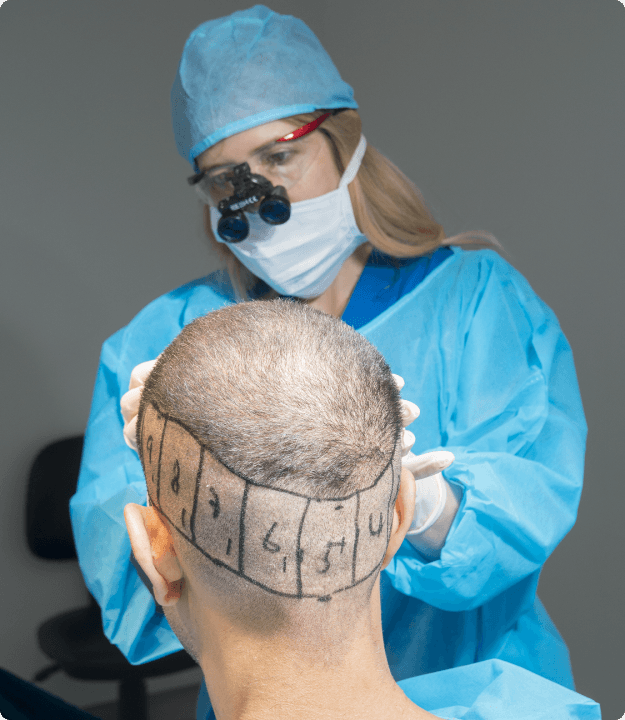
The Follicular Unit Excision (FUE) technique involves the careful extraction of individual follicular units from the donor area using minimally invasive methods. This approach allows for selective harvesting while helping minimize visible scarring and supporting a smoother recovery process.
FUE is selected based on individual anatomy, hair characteristics, donor area availability, and overall treatment goals. Not all patients require the same extraction method, and the most appropriate technique is determined during the medical evaluation process to ensure responsible donor management and long-term planning.

Alternative Donor Areas Beyond the Scalp
When scalp donor availability is limited, alternative donor areas may be considered in select cases. These areas are evaluated carefully to determine suitability based on hair texture, growth characteristics, and compatibility with the recipient area.
Beard
Beard hair may be used selectively to supplement scalp grafts, particularly when additional density is required. Its use is planned conservatively to maintain ...
Chest and Abdomen
Body hair from the chest or abdomen may be considered in specific clinical situations. These follicles often differ in growth behavior, diameter, and cycle characteristics...
Specialized Applications
Certain donor regions may also be used for reconstructive procedures, such as eyebrow restoration, when medically indicated and suitable for the desired outcome...
Pre-Procedure Donor Area Preparation
Proper preparation of the donor area is essential for supporting healthy healing and optimal graft extraction. Prior to surgery, patients receive specific medical instructions that may include medication adjustments, scalp care guidance, and lifestyle recommendations.
These guidelines help reduce potential risks, support skin health, and ensure the donor area is in appropriate condition on the day of surgery.
Post-Procedure Donor Area Care
After the procedure, proper donor area care is essential to support healthy healing and minimize visible changes. Patients receive detailed instructions regarding scalp hygiene, activity limitations, and normal healing patterns.
Follow-up evaluations allow the medical team to monitor recovery, address questions, and ensure that donor area integrity is maintained throughout the healing process.
Medical Oversight and
Ethical Donor Management
Donor hair is a finite resource. For this reason, every extraction plan is designed with long-term responsibility in mind. Dr. Alba Reyes personally oversees donor assessment and extraction strategy to ensure ethical harvesting, natural aesthetics, and preservation of future treatment options.
Not all patients are candidates for aggressive donor extraction. Recommendations are always based on medical appropriateness, donor sustainability, and long-term treatment planning rather than volume of grafts alone.
Real People with Real Results

”Absolutely thrilled with my results! The team at Alba Reyes is professional and caring. Highly recommend!”
John D

"My experience was fantastic! The staff is friendly and the results exceeded my expectations. Thank you!"
Maria S
”Absolutely thrilled with my results! The team at Alba Reyes is professional and caring. Highly recommend!”
John D
"My experience was fantastic! The staff is friendly and the results exceeded my expectations. Thank you!"
Maria S
”Absolutely thrilled with my results! The team at Alba Reyes is professional and caring. Highly recommend!”
John D

Before & After
 Before
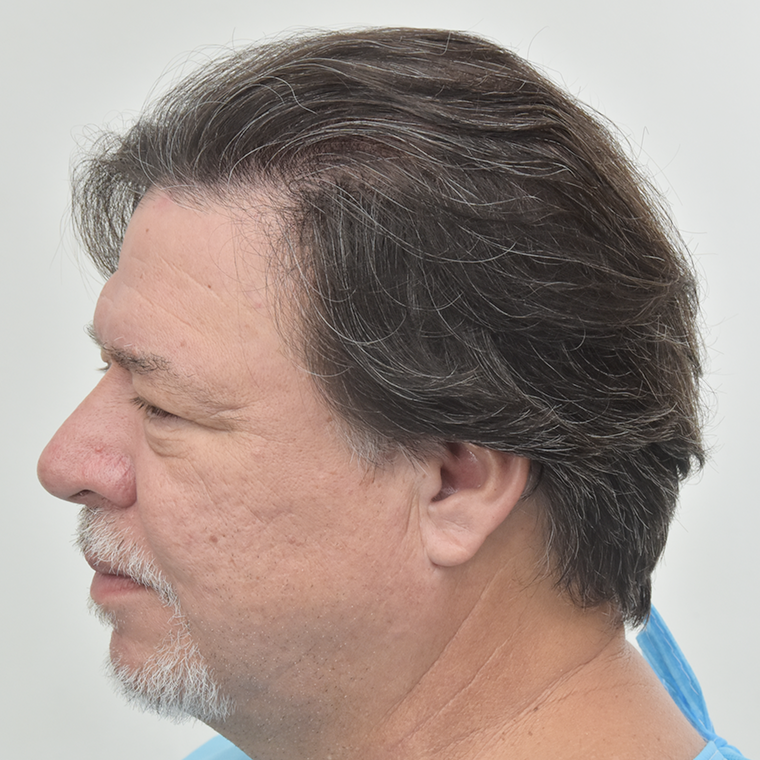 After
After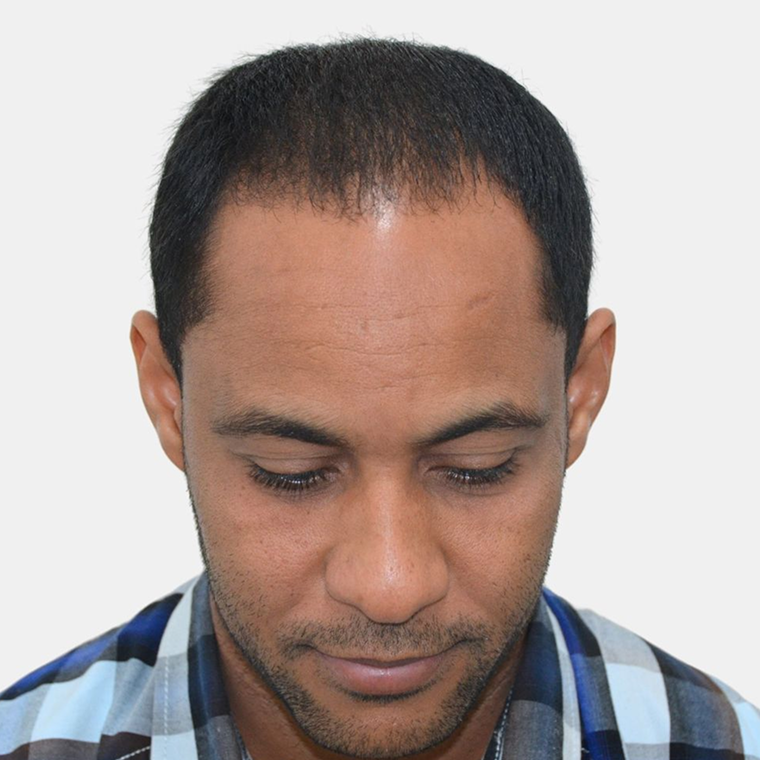 After
After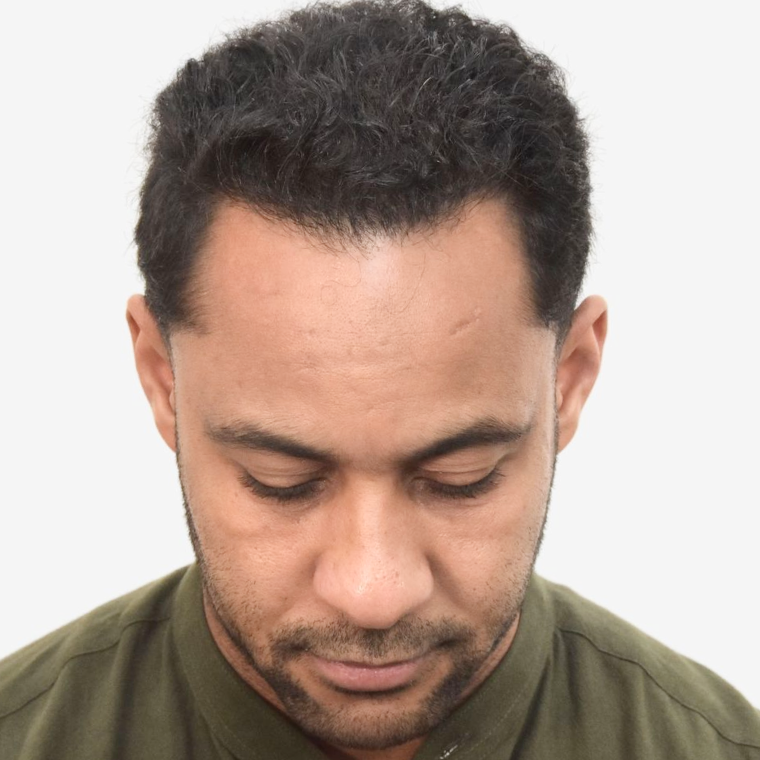 Before
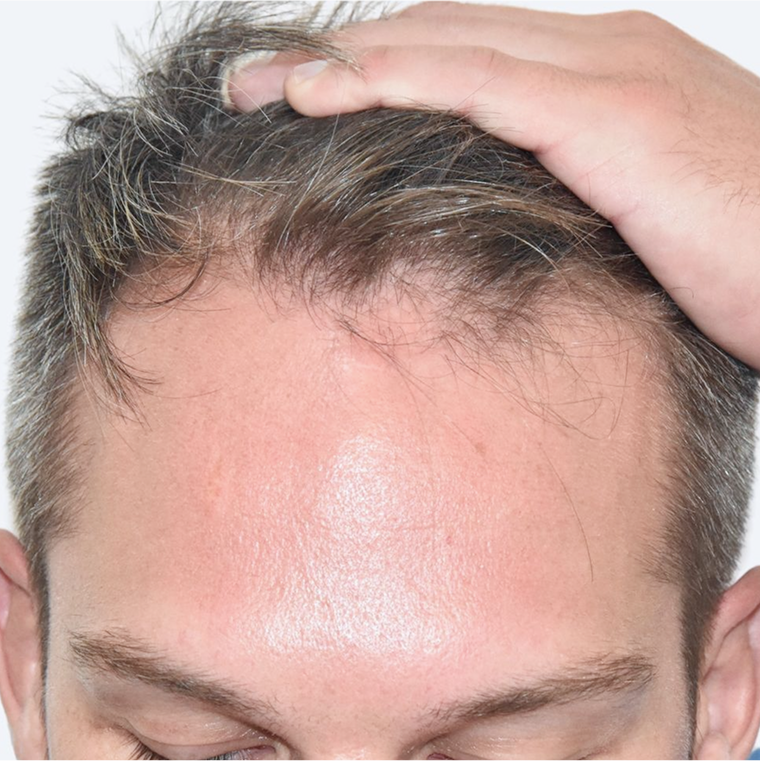 Before
 After
After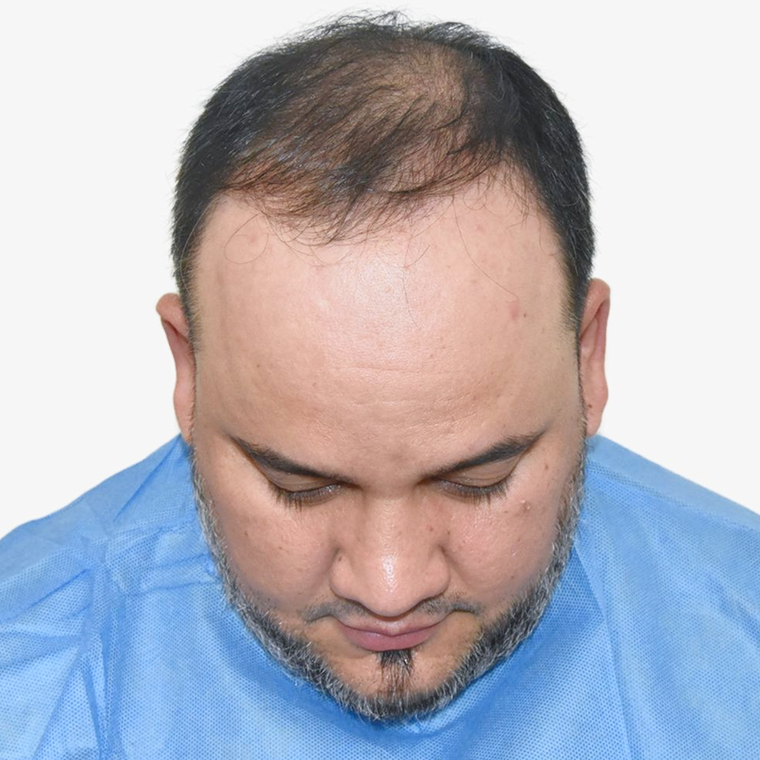 Before
 After
After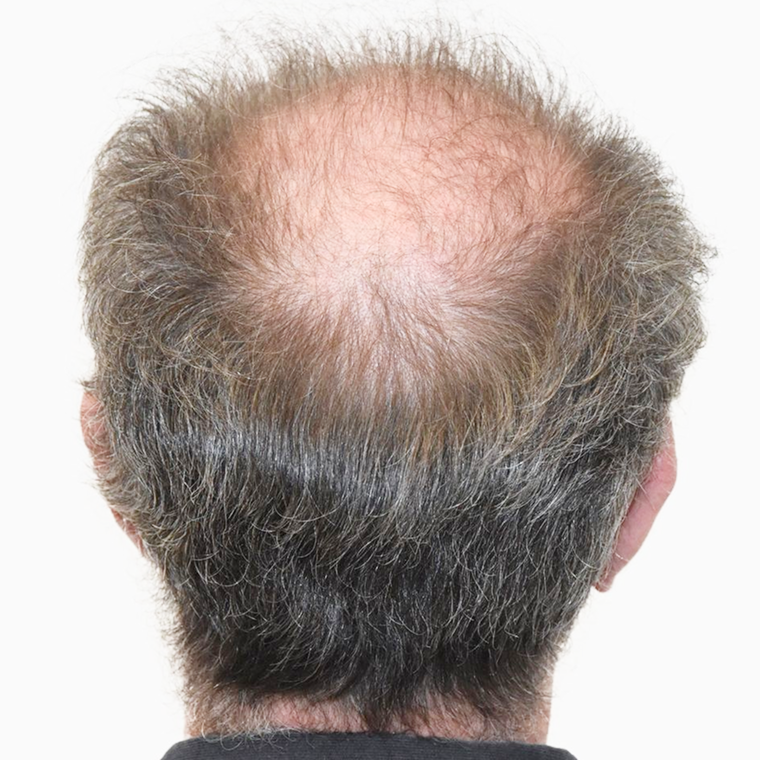 Before
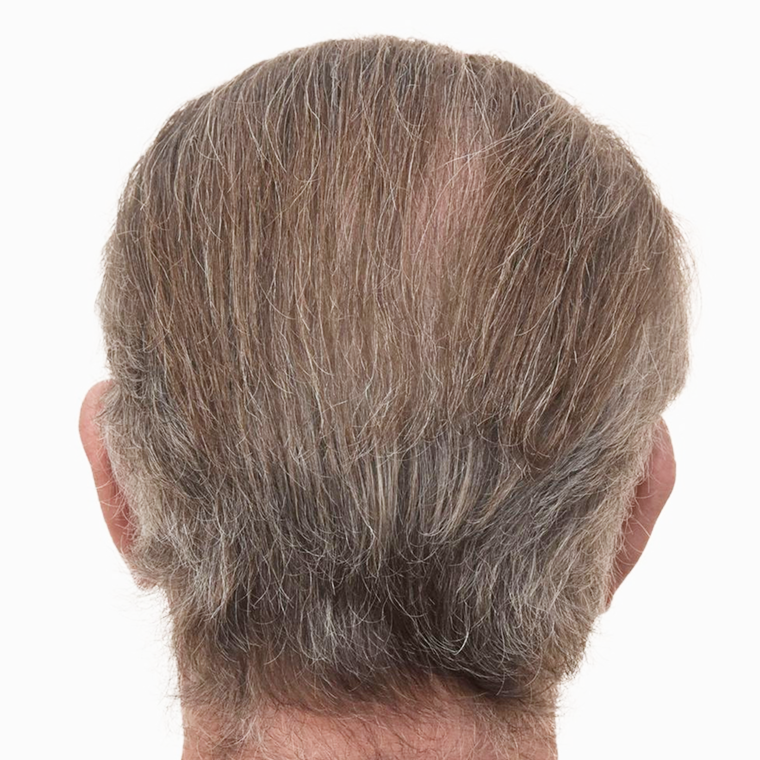 After
After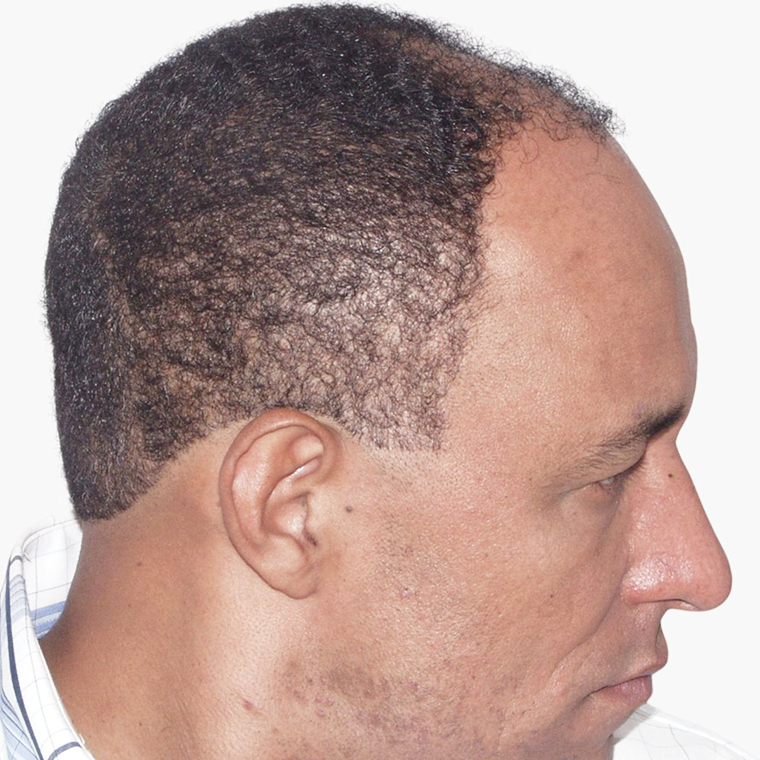 Before
 After
After Frequently asked
questions
The donor area refers to the region of the scalp where hair follicles are genetically resistant to hair loss. These follicles may be harvested and transplanted to areas affected by thinning or baldness as part of a hair restoration procedure.
In most patients, the donor area is located at the back and sides of the scalp. These regions tend to maintain hair density over time due to their resistance to androgen-related hair loss.
When performed using appropriate medical techniques, hair extraction from the donor area is designed to be discreet. Follicles are removed in a carefully planned pattern to help preserve a natural appearance once healing is complete. Individual healing and cosmetic outcomes may vary.
The specific hair follicles that are transplanted do not regenerate in the donor area. However, because extractions are distributed strategically, surrounding hair typically provides coverage, helping maintain an even appearance.
Modern hair transplant techniques aim to minimize visible scarring. Small marks may occur at extraction sites, but these generally fade over time. The visibility of any scarring depends on factors such as skin type, healing response, hairstyle, and adherence to post-operative instructions.
How long does it take to heal?
Hair transplant procedures are performed under local anesthesia, which helps maintain patient comfort during the procedure. After surgery, some patients may experience temporary tenderness, tightness, or sensitivity in the donor area. These effects are typically mild and resolve as healing progresses.
Initial healing of the donor area usually occurs within 7 to 10 days. Redness, mild swelling, or sensitivity may persist for a short period afterward. Full recovery timelines vary depending on individual healing factors.
Hair grooming can usually resume after an appropriate healing period. Your medical provider will give personalized guidance on when it is safe to cut, shave, or style your hair following the procedure.
When donor hair is harvested conservatively and appropriately, the donor area generally maintains a natural appearance long term. Outcomes vary depending on hair characteristics, density, healing response, and future hair loss patterns.
Donor area suitability is evaluated during a medical consultation and may include assessment of:
hair density
hair caliber and texture
scalp health
medical history
long-term hair restoration planning
This evaluation helps determine whether donor hair extraction is appropriate for each individual.
The donor area contains a limited number of transplantable follicles. Proper planning is essential to achieve natural-looking results while preserving future treatment options. For this reason, donor area management is approached conservatively and individually.
Post-operative care instructions are provided to support healing and reduce the risk of complications. Following medical guidance closely is important for optimal recovery. Patients are encouraged to contact the clinic with any questions or concerns during the healing process.
No. Healing responses vary based on individual factors such as skin type, overall health, lifestyle, and adherence to aftercare instructions. No specific outcome can be guaranteed.
Still have questions?




Begin with Confidence
Schedule a consultation to understand donor area planning and surgical preparation before moving forward.